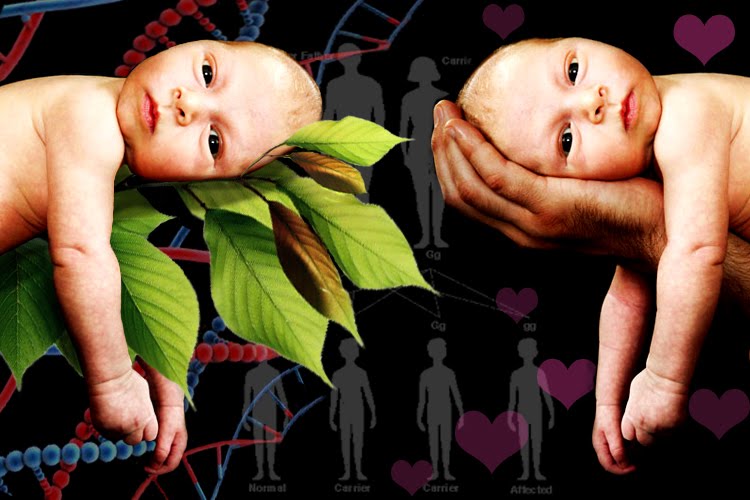
Characteristics cling to families.
Francis Galton (1822 – 1911)
Francis Galton counted many gifted individuals amongst his relatives, including the evolutionary biologist Charles Darwin. So it’s not surprising that Galton was interested in the extent to which abilities are either inborn or learned. He was the first person to identify “nature and “nurture” as two separate influences whose effects could be measured and compared, maintaining that these two elements alone were responsible for determining personality. In 1869, he used his own family tree, as well as those of “judges, statesmen, commanders, scientists, literary men… diviners, oarsmen, and wrestlers”, to research inherited traits for his book Hereditary Genius. As predicted, he found more highly talented individuals in certain families than among the general population. However, he could not safely attribute this to nature alone, as there were also conferred benefits from growing up in a privileged home environment. Galton himself grew up in a wealthy household with access to unusually good educational resources.
A Necessary Balance
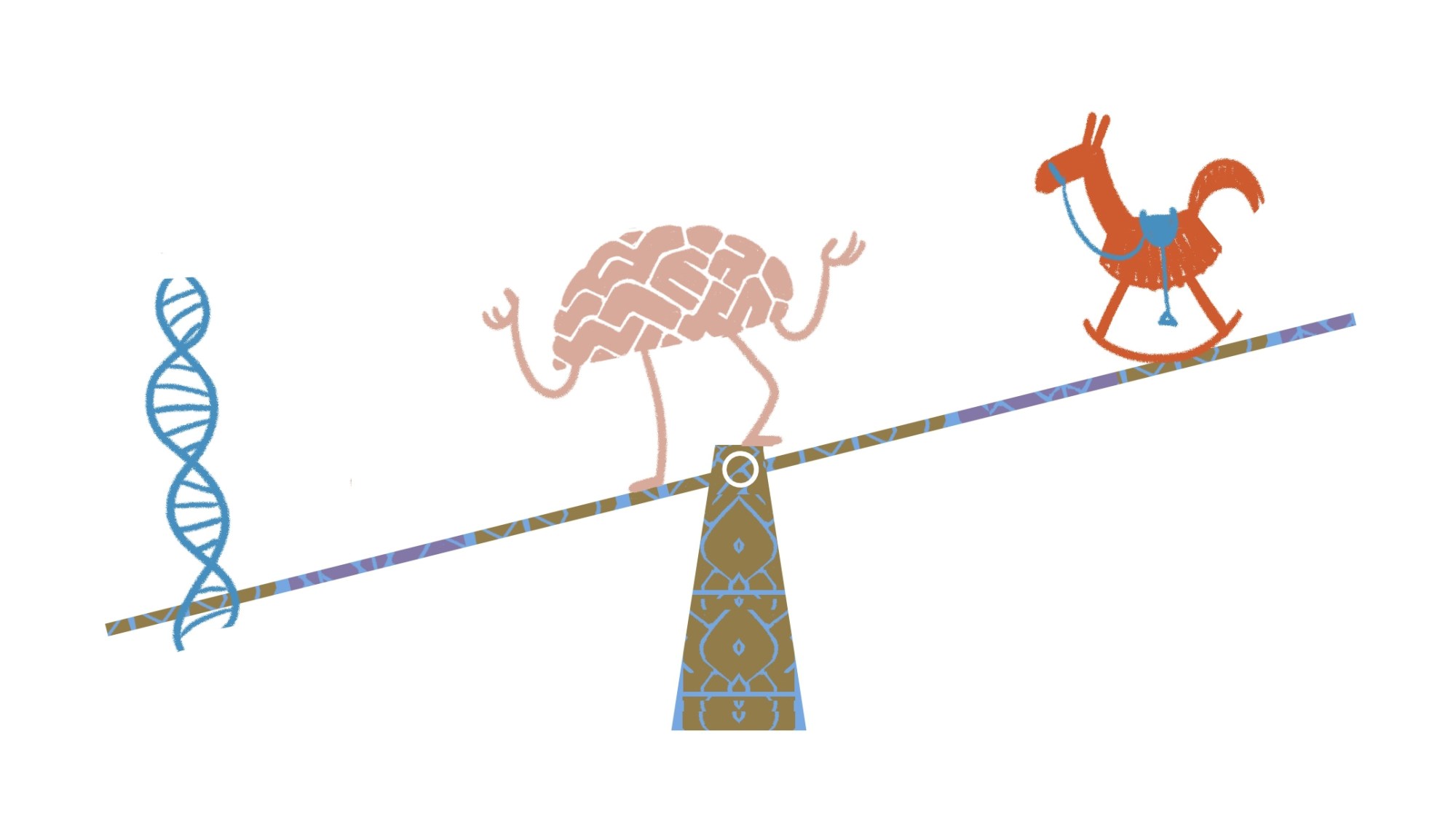
Galton proposed a number of other studies, including the first large survey by questionnaire, which was sent out by members of the Royal Society to enquire about their interests and affiliations. Publishing his results in English Men of Science, he claimed that where nature and nurture were forced to compete, nature triumphs. External influences can make an impression, he says but nothing can “efface the deeper marks of individual character”. However, he insists that both nature and nurture are essential in forming personality, as even the highest natural endowments may be “starved by defective nurture”. Intelligence, he says, is inherited, but must be fostered through education.
In 1875, Galton undertook a study of 159 pairs of twins. He found that they did not follow the “normal” distribution of similarity between siblings, in which they are moderately alike, but were always extremely similar or extremely dissimilar. What really surprised him was the degree of similarity never changed over time. He had anticipated that a shared upbringing would lessen dissimilarity between twins as they grew up, but found that this was not the case. Nurture seemed to play no role at all.
The “Nature vs Nurture” debate is alive and well to this very day. Some people have favoured Galton’s theories, including his notion – now known as ‘eugenics’ – that people could be “bred” like horses to promote certain characteristics. Others have preferred to believe that every baby is a ‘tabula rasa’, or blank slate, and that we are all born equal. Most psychologists today recognise that nature and nurture are both crucially important in human development, and interact in complex ways.
If you would like to find out more about this debate and maybe even get involved in the debate yourself, here are some links! Enjoy!
 Science & Tea