These little injections, drops and sprays can train your immune system to fight off deadly diseases.
Made up of millions of individual white blood cell, the immune system patrols the body in search of germs. When tissues are under threat, it mounts a two-pronged attack. First, the innate immune system gets to work to slow germ growth and prevent spread. Then the adaptive immune system comes in to eliminate the threat.
The adaptive immune system has powerful weaponry, but it takes a while to deploy. This is because the cells of the adaptive immune system can each only attack one type of infection. When the body encounters a new germ, it needs to find the right cells and prepare them for battle. This process can take up to one week, and in that time, people can sometimes become very unwell. This is where vaccines come in. Rather than wait to encounter a dangerous disease like measles in the world, a vaccine gives the immune system a chance to prepare in advance.
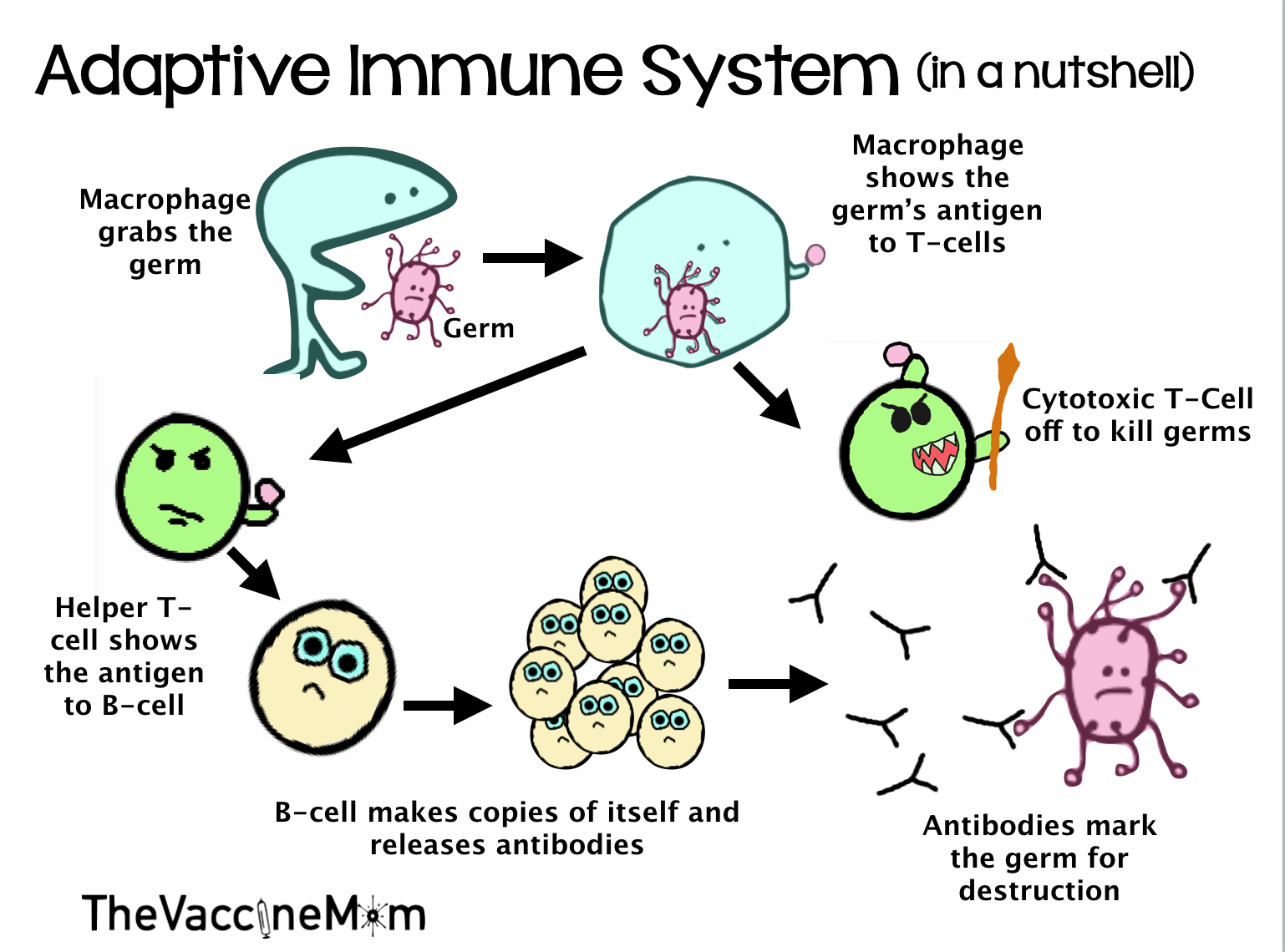
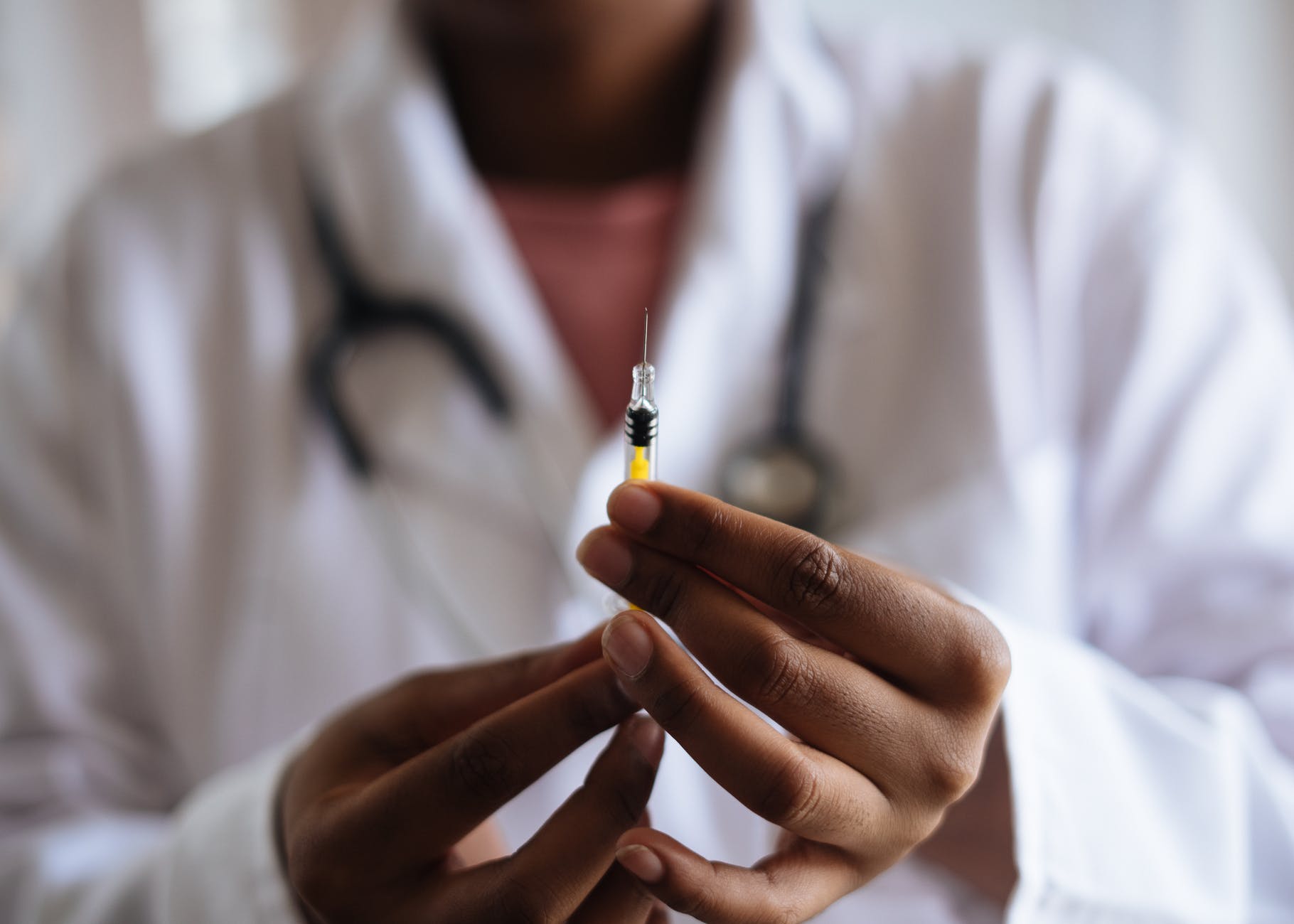
Vaccines contain weakened or dead germs, or parts of germs, along with something called an adjuvant. This helps to alert the immune system to danger, encouraging it to start mounting an attack. With access to parts of the germ, the immune system can find the right cells and get them ready.
Many of the cells made during a vaccination disappear afterwards, but some stick around as ‘memory cells’. They can stay in the blood stream for decades, constantly on the lookout for their matching germ. If the infection happens for real, then these memory cells are able to spring into action right away. They divide to produce an army of clones that appear in a matter of hours instead of days. This can clear the infection before it takes hole, preventing us from getting sick at all.
Are vaccines dangerous?
Without our current vaccinations, 2.5 million children would die every year. If we sued the same vaccinations to immunise more children, we would save 1.5 million more lives. But in some countries, the vaccination rates are dropping. To stop the spread of measles, 95% of the children need to have had their MMR vaccine, but in England in 2017-2018, the uptake was only 91.2%. At this level, herd immunity stops working and the virus can start to spread.
There are some concerning vaccine myths, but the truth is that vaccinations save lives. Babies are able to cope with millions of germ cells every day; vaccinations won’t overload or weaken their immune systems, even if they were born prematurely. It’s safe to vaccine children if they have mild illness or allergies. There is absolutely no link to autism. And if you or your children haven’t had vaccinations, it’s never too late to go and get them done!
5 FACTS ABOUT HOW VACCINES SAVE LIVES
- SMALL POX – Smallpox used to kill 5 million people every year. Now it kills none! Thanks to a worldwide vaccination program, the disease disappeared in 1980 – the only infection disease to have been eradicated.
- DIPHTHERIA – The skin and respiratory infection diphtheria would kill 260,000 people every year if it wasn’t for vaccinations. Immunisation prevents at least 86% of infections worldwide.
- WHOOPING COUGH – Without vaccination, there would be nearly 1 million deaths from whooping cough every year. Immunising young babies has reduced that number by two thirds.
- MEASLES – Measles can cause blindness, brain swelling and severe lung problems. It takes just two doses of the vaccine to protect children from infection, preventing 2.6 million deaths every year.
- NEONATAL TETANUS – Newborn babies are especially vulnerable to tetanus infection. Thanks to vaccination, 700,000 more babies are now surviving every single year.
NEXT-GEN VACCINES
The science of immunisation is only just the beginning. The Human Vaccines Project is bringing the world’s top scientists together to unlock the secrets of immune response. To design the vaccines of the future we need to understand our own immune system. The Human Immunome Program is mapping the genes that allow the immune system to make custom antibodies for different germs. The Rules of Immunity Program is discovering what rules the immune system uses to build a defence and remember past infections. The more we know about how our immune system army works, the better we’ll get at training it to fight disease!
 Science & Tea